Creating a respectful care environment is a critical aspect of modern healthcare. At the forefront of this approach is Sheth Jeebun, a leader known for transforming healthcare settings into places where patients, families, and care teams thrive together.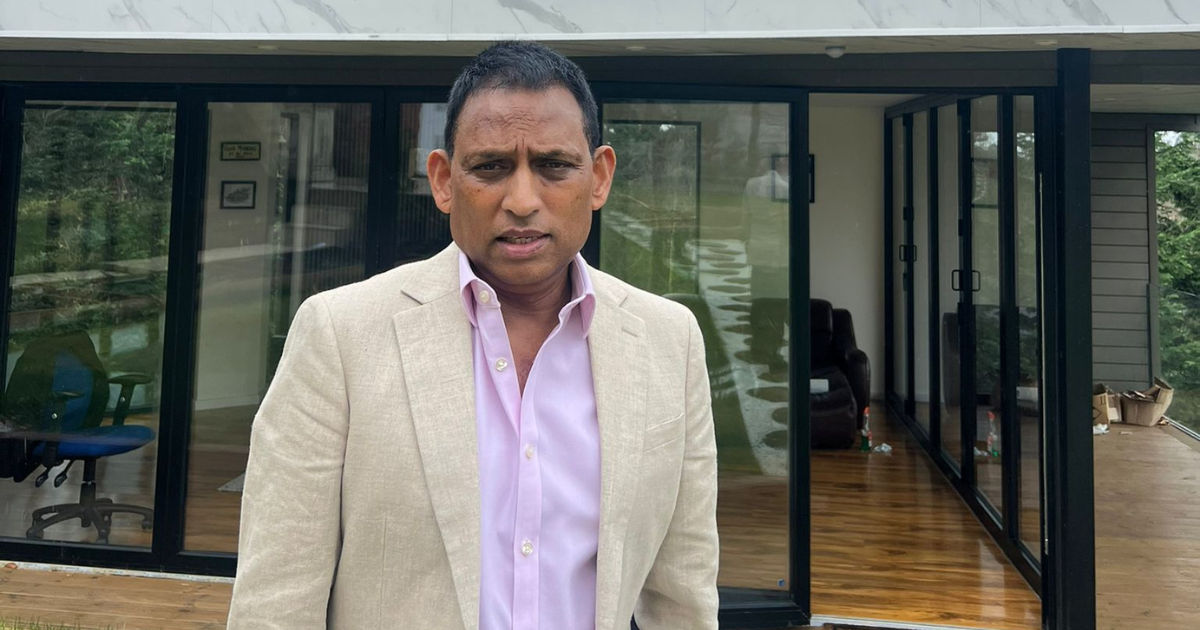
The philosophy of Sheth Jeebun focuses on valuing dignity, communication, empathy, and trust, forming the foundation for quality care that goes beyond clinical treatment.
Respect in healthcare is not just about politeness or formalities. It is about building an environment where every individual feels seen, heard, and valued.
Sheth Jeebun emphasizes that healthcare environments should foster mutual respect between staff and patients, among colleagues, and with families. This approach improves patient satisfaction, enhances staff morale, and ultimately leads to better health outcomes.
In this blog, we will explore how Sheth Jeebun builds respectful care environments. We will examine the guiding principles, strategies, training programs, and organizational practices that contribute to creating a culture of respect.
We will also discuss the tangible benefits of such environments for both patients and healthcare professionals.
Respect in Healthcare
Respect in healthcare goes beyond basic manners. It includes recognizing the rights, feelings, and perspectives of patients and staff. Respectful care ensures that patients are treated as individuals rather than numbers. It also promotes a culture where staff members feel valued and supported.
Sheth Jeebun believes that the core of a respectful care environment is empathy. Empathy allows caregivers to understand patients' experiences and respond in a compassionate and meaningful way. Empathy is also essential for collaboration among healthcare teams. When staff members genuinely respect each other’s expertise and perspectives, it creates a harmonious and effective workplace.
Respect also includes cultural sensitivity. In diverse societies, healthcare providers encounter patients from various backgrounds, beliefs, and languages. Sheth Jeebun emphasizes training caregivers to understand and honor these differences, which fosters a safe and inclusive environment for everyone.
Principles of a Respectful Care Environment
The foundation of a respectful care environment, as championed by Sheth Jeebun, is built on several guiding principles:
Dignity
Every patient deserves to be treated with dignity, regardless of their health status or social background. Sheth Jeebun ensures that healthcare providers maintain privacy, address patients appropriately, and respect personal preferences. Dignity also extends to respecting staff members, recognizing their contributions, and ensuring fair treatment.
Communication
Clear, honest, and compassionate communication is a cornerstone of respect. Sheth Jeebun encourages open dialogue between patients and caregivers. Patients should feel comfortable asking questions, expressing concerns, and participating in decisions about their care. Similarly, staff communication should be constructive, supportive, and non-judgmental.
Collaboration
Respectful care environments thrive on teamwork. Sheth Jeebun promotes collaborative practices among healthcare professionals. When nurses, doctors, therapists, and support staff work together respectfully, patient care becomes more coordinated and effective. Collaborative cultures also reduce workplace conflicts and stress.
Accountability
Respect includes accountability. Sheth Jeebun teaches that both staff and patients benefit when everyone takes responsibility for their actions. Staff members must follow professional standards, and patients should be involved in their care plans responsibly. Accountability creates trust and reinforces the integrity of the healthcare environment.
Training and Development for Respectful Care
Building respectful care environments requires systematic training and professional development. Sheth Jeebun has implemented training programs that focus on empathy, communication, and ethical practices.
Empathy Training
Empathy training helps staff understand patients’ emotional and physical needs. Sheth Jeebun advocates role-playing exercises, patient shadowing, and reflective discussions to help caregivers see situations from the patient’s perspective. Empathetic caregivers are better able to respond to distress, anxiety, and cultural differences respectfully.
Communication Skills
Effective communication is essential for respect. Sheth Jeebun emphasizes the development of verbal and non-verbal communication skills. Training focuses on active listening, providing clear explanations, and responding to patient feedback. Staff learn to convey information compassionately and ensure that patients feel heard and understood.
Conflict Resolution
Disagreements or misunderstandings are inevitable in healthcare. Sheth Jeebun integrates conflict resolution training to equip staff with tools to manage disputes respectfully. By teaching problem-solving strategies and encouraging calm dialogue, conflicts are resolved constructively, maintaining a professional and respectful environment.
Organizational Practices That Promote Respect
Beyond individual training, Sheth Jeebun understands that policies, procedures, and organizational culture play a critical role in creating respectful care environments.
Leadership by Example
Leaders in healthcare set the tone for respect. Sheth Jeebun believes in leading by example, demonstrating fairness, empathy, and integrity. When leaders consistently model respectful behavior, staff members are more likely to adopt similar practices.
Inclusive Policies
Healthcare organizations must have policies that promote fairness, diversity, and inclusion. Sheth Jeebun supports policies that prevent discrimination, encourage reporting of misconduct, and ensure equal opportunities for staff advancement. Inclusive policies create a sense of belonging and security for everyone in the healthcare setting.
Recognition and Reward Systems
Acknowledging the contributions of staff reinforces respect. Sheth Jeebun implements recognition programs that celebrate exemplary behavior, teamwork, and patient-centered care. Positive reinforcement motivates staff to continue practicing respect in all interactions.
Patient Feedback Mechanisms
Respectful care environments listen to the voices of patients. Sheth Jeebun encourages feedback systems that allow patients to share their experiences. Constructive feedback helps organizations improve care practices and ensures that patients feel valued and respected.
The Role of Family and Community
A respectful care environment extends beyond the walls of the hospital. Sheth Jeebun recognizes the importance of family involvement and community engagement in patient care.
Families play a vital role in supporting patients emotionally and practically. Sheth Jeebun encourages staff to involve family members in care decisions, provide education, and respect their input. This collaboration strengthens trust and promotes a holistic approach to healthcare.
Community engagement also enhances respect. Sheth Jeebun fosters partnerships with local organizations, advocacy groups, and cultural associations. These relationships help healthcare providers understand the community’s needs and deliver care that aligns with local values and expectations.
Technology and Respectful Care
Modern technology can enhance respect in healthcare when used thoughtfully. Sheth Jeebun promotes digital tools that improve communication, patient education, and care coordination. For example, electronic health records allow staff to access patient information accurately, ensuring respectful and personalized treatment.
Telemedicine and patient portals also empower patients, giving them a voice in their care. Sheth Jeebun emphasizes using technology not as a replacement for human interaction but as a tool to strengthen respect, efficiency, and responsiveness in healthcare.
Challenges in Creating Respectful Care Environments
Despite the benefits, building respectful care environments is not without challenges. Staff shortages, high patient volumes, and stress can strain communication and empathy. Sheth Jeebun acknowledges these realities and works proactively to address them through support systems, flexible staffing, and mental health resources.
Cultural barriers and language differences can also create misunderstandings. Sheth Jeebun prioritizes cultural competence and multilingual support to ensure that every patient receives care that respects their background and preferences.
Resistance to change can occur when new policies or training programs are introduced. Sheth Jeebun emphasizes ongoing education, leadership support, and clear communication to encourage adoption of respectful practices throughout the organization.
Measuring Success in Respectful Care
Evaluating respectful care is essential to ensure that efforts are effective. Sheth Jeebun uses both quantitative and qualitative measures to assess the impact of respectful care practices.
Patient satisfaction surveys, staff engagement metrics, and incident reports provide data on how respect is experienced in the healthcare environment. Additionally, focus groups and interviews give deeper insight into personal experiences, highlighting areas of strength and opportunities for improvement.
The Benefits of Respectful Care Environments
The advantages of building respectful care environments are far-reaching. Sheth Jeebun demonstrates that these benefits extend to patients, staff, and the organization as a whole.
Patients experience better physical and emotional outcomes when they feel respected. They are more likely to adhere to treatment plans, communicate openly, and trust their caregivers. For staff, respectful environments reduce burnout, enhance job satisfaction, and foster a collaborative workplace culture. For the organization, respect leads to higher patient retention, improved reputation, and overall operational efficiency.
Conclusion
Creating a respectful care environment is a multidimensional effort that requires leadership, training, policies, and community engagement. Sheth Jeebun exemplifies this approach, demonstrating that respect is not just an ethical obligation but a practical strategy for better healthcare outcomes.
From promoting empathy and communication to implementing inclusive policies and leveraging technology, Sheth Jeebun builds healthcare environments where dignity, trust, and collaboration thrive. By focusing on respect, healthcare organizations can transform the experience for patients, families, and staff, creating a culture that prioritizes human values alongside clinical excellence.
Respectful care is a journey, not a destination. Through continuous effort, education, and reflection, healthcare leaders and providers can uphold the principles championed by Sheth Jeebun, ensuring that every interaction honors the inherent worth of every individual in the care environment.